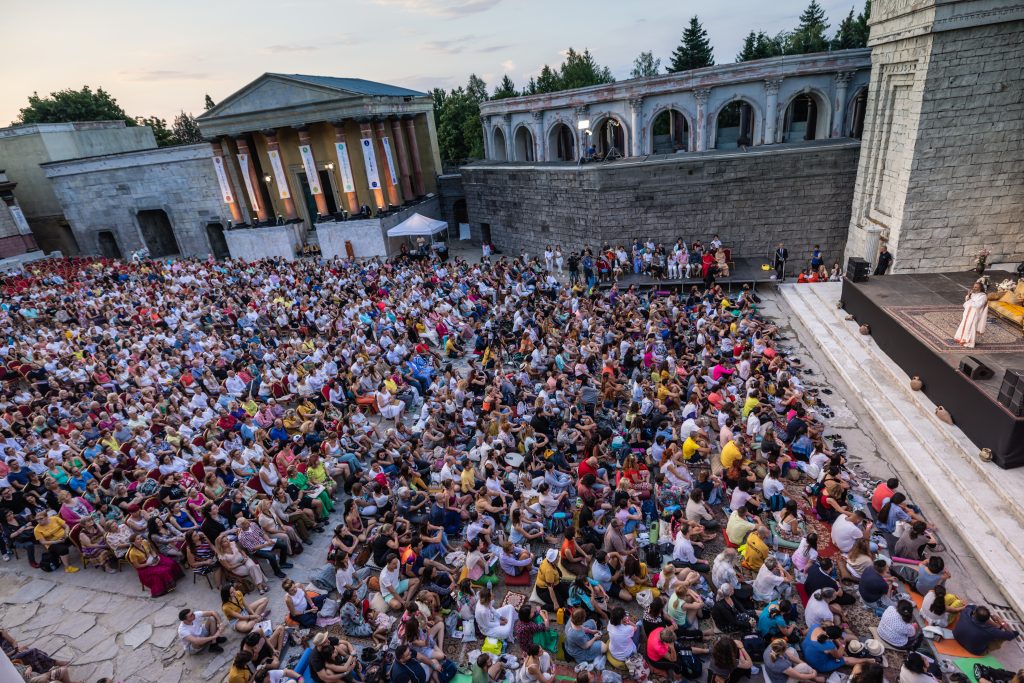
Reflections on 45 Years of the Art of Living
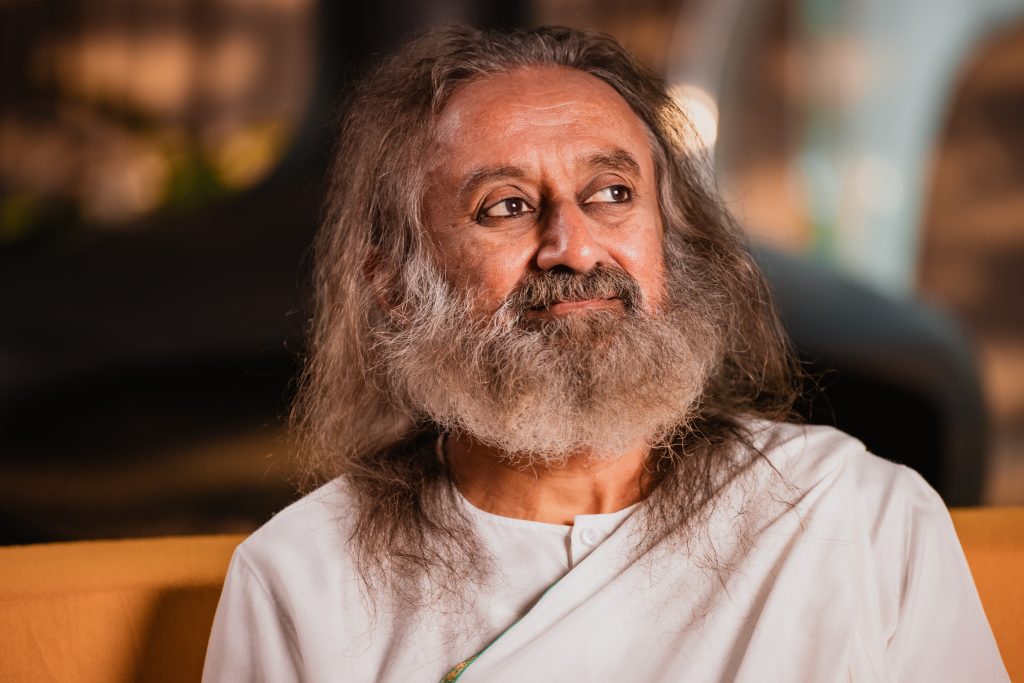
When the Art of Living was founded in 1981 by Gurudev Sri Sri Ravi Shankar, the idea that breath and meditation could become tools for large-scale social transformation sounded, to many, like a quiet spiritual experiment on the margins of a rapidly modernizing world. Yet forty-five years later, that experiment has grown into a global movement spanning more than 180 countries, arriving at a moment when the very stresses it set out to address have become defining features of contemporary life.
At the heart of Gurudev’s philosophy is a conviction that is deceptively simple yet profound in its implications. Sustainable peace in society cannot be engineered externally without first cultivating stability within the human mind, and that inner turbulence inevitably expresses itself as collective unrest, whether in families, institutions, or nations.
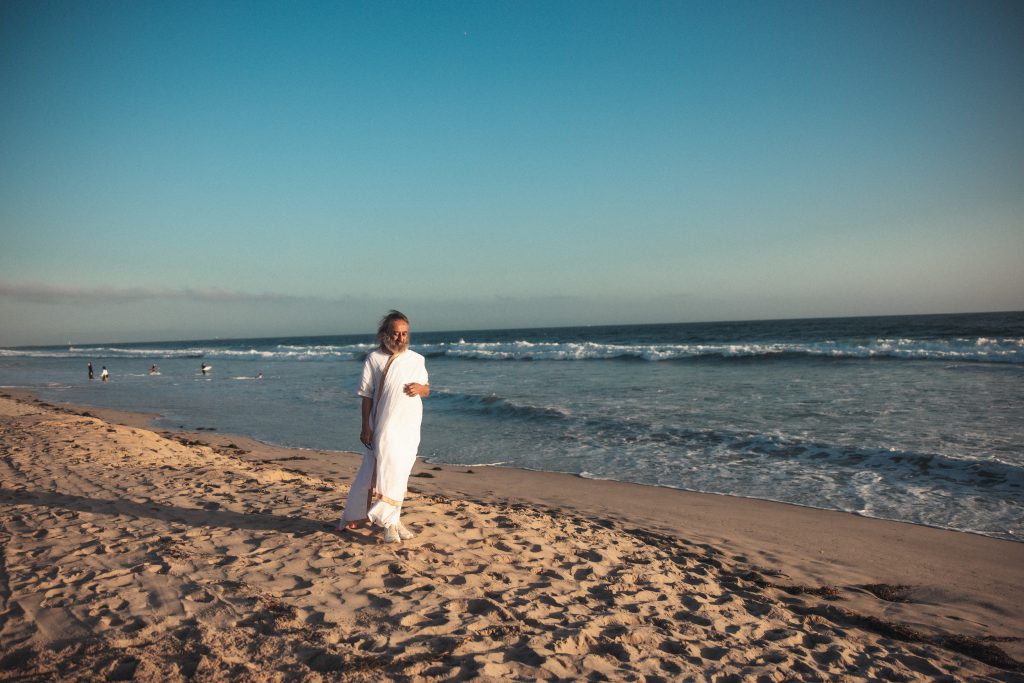
This idea naturally extends into Gurudev’s vision of a “one world family,” a worldview that challenges the psychological boundaries people construct around nationality, religion, and ideology, not by erasing identity but by expanding the sense of belonging to include the larger human experience; in an increasingly fragmented global order, this framing attempts to replace competitive narratives of “us versus them” with the possibility of shared responsibility, particularly at a time when polarization has become a defining feature of public discourse.
Over the last four and a half decades, the Art of Living has translated these ideas into a wide range of on-ground initiatives that go far beyond meditation halls. In the field of mental health and stress management, its programs have reached students, working professionals, and communities dealing with trauma and anxiety, often introducing simple yet profound breathing practices such as SKY Breath Meditation into environments where emotional regulation is becoming increasingly critical. Schools and colleges across countries have incorporated these tools to help young people deal with academic pressure, attention overload, and rising levels of emotional fatigue
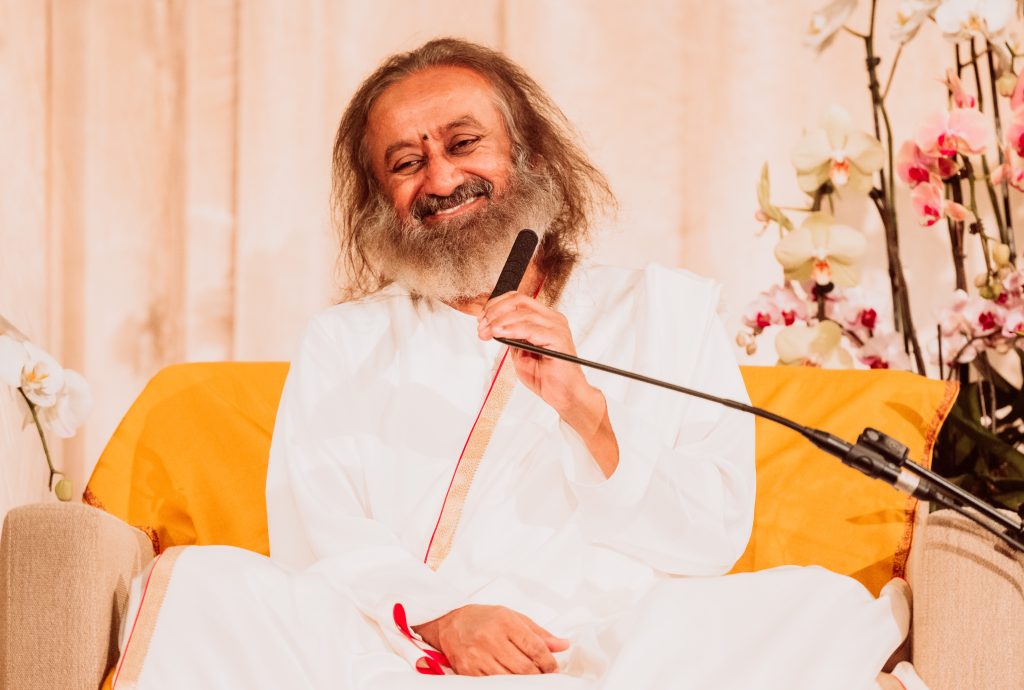
In parallel, the foundation has worked extensively in rehabilitation spaces, including prisons, where programs focused on breathwork, meditation, and emotional processing have been used to support inmates in dealing with aggression, stress, and reintegration into society. The emphasis in these settings is not abstract spirituality but behavioral change.
Its work has also extended into disaster and trauma relief. In regions affected by natural calamities or conflict, volunteers have been involved in psychological support efforts aimed at helping communities process shock and rebuild emotional stability alongside physical reconstruction. In such contexts, the approach has often focused on restoring a sense of normalcy through group practices, dialogue, and structured support systems.
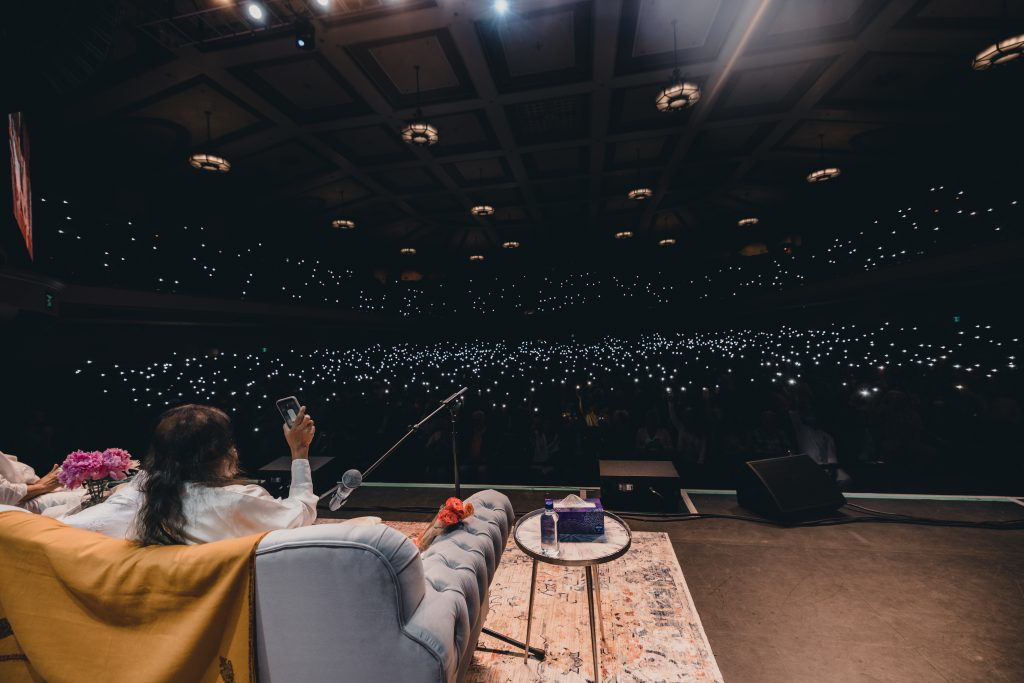
Environmental stewardship has become another significant area of engagement. Projects related to river rejuvenation, water conservation, and rural sustainability have been undertaken in multiple regions, reflecting an understanding that environmental degradation and human well-being are deeply connected. The idea is not only to restore ecosystems but also to encourage communities to take shared responsibility for natural resources in their immediate surroundings.
In addition, the foundation’s engagement with veterans and service communities has focused on stress relief and emotional integration after high-intensity careers, recognizing that transitions from structured service environments to civilian life often come with psychological challenges that are not always visible but deeply felt.
Across these diverse areas, what remains consistent is the attempt to address stress not as an individual failing but as a shared human condition that requires both internal tools and collective spaces of support. The scale of these efforts has naturally drawn attention, both supportive and critical, as is the case with any organization operating across geographies and social systems.
Forty-five years on, the significance of the Art of Living may lie less in any single program and more in the continued relevance of its core proposition: that inner stability is not separate from social stability, and that the quality of human consciousness inevitably shapes the quality of the world we build. In a time marked by fragmentation, speed, and rising psychological strain, that idea has moved from the spiritual to the practical, and from the margins closer to the center of public life.